The Power of Color: How to Use Color Theory in Your Wardrobe
Color is one of the most powerful tools in fashion. It can evoke emotions, set moods, and influence perceptions. Understanding color theory can help you make intentional choices in your wardrobe, enhancing your style and boosting your confidence.
The Psychology of Color
Different colors have distinct psychological effects. For instance, red is often associated with passion and energy, while blue conveys calmness and trust. Incorporating colors that align with your mood or the message you want to communicate can significantly impact how you feel and how others perceive you. When dressing for an important meeting or event, consider wearing colors that resonate with your objectives. A bold red dress might exude confidence, while a soft green ensemble could suggest a sense of calm.
Choosing Your Palette
Finding a color palette that works for you can simplify getting dressed. Look at your skin tone, hair color, and eye color to determine which hues complement you best. Warm undertones often look great in earthy tones and rich, warm colors like mustard yellow and terracotta. Cool undertones, on the other hand, can shine in jewel tones such as emerald green and sapphire blue.
Don’t be afraid to experiment! Create a mood board or Pinterest board with colors that inspire you. This can help you visualize combinations that you might not have considered before.
Mixing and Matching Colors
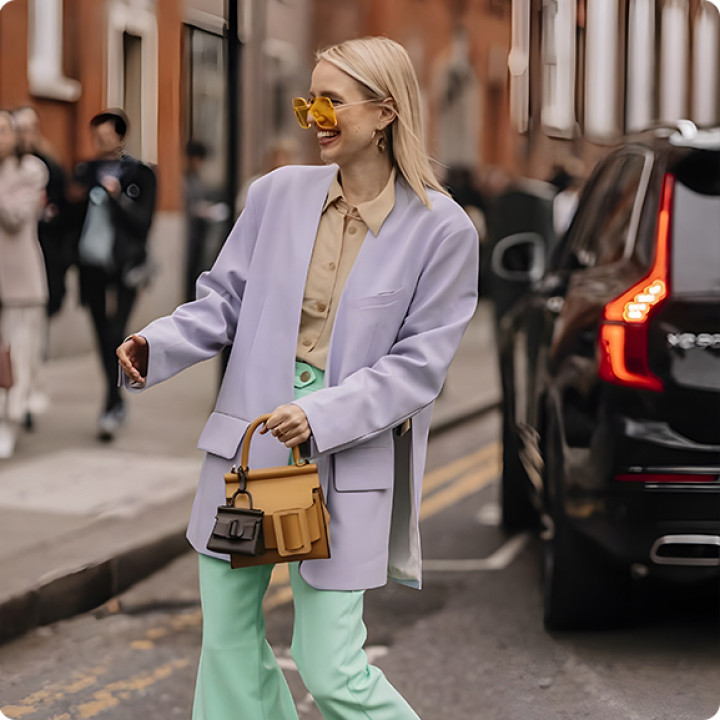
Once you’ve identified your palette, it’s time to play with mixing and matching. A monochromatic outfit can create a sleek and sophisticated look, while complementary colors can make a bold statement. For instance, pairing a vibrant orange with deep blue can create a striking contrast.
Another technique is the 60-30-10 rule: 60% of your outfit should be a dominant color, 30% a secondary color, and 10% an accent color. This balanced approach creates a cohesive look that’s visually appealing without overwhelming the senses.
Seasonal Colors
Fashion trends often reflect seasonal color palettes. Spring typically embraces pastels and floral shades, while autumn tends to lean towards richer, earthy tones. Incorporating seasonal colors can keep your wardrobe fresh and relevant. You don’t have to overhaul your entire closet each season; simply adding a few key pieces in seasonal colors can refresh your look.
Understanding color theory and its psychological implications can elevate your fashion game. By choosing colors that complement your features and experimenting with various combinations, you can create a wardrobe that reflects your unique style. So, next time you dress up, consider the power of color and how it can transform your look and mood.